Asian Waters

Asian Waters

Water as an organizing force in Southeast Asia

Three chapters

Three independent films, each on one water system and the life arranged around it. They share a way of seeing rather than a territory: amphibious places, where land and water are not two things but one system in two states.

Geography comes before interpretation, observation before explanation. The films begin with questions rather than conclusions, and the narration says only what the images cannot. There is no music in any of them — the sound is the place.

The Sealed Waters

The karstic waters of Ha Long and Tam Coc

Inside the karst of Ha Long are lakes of sea water sealed when the ocean last rose, cut off from every current for thousands of years. Each has developed its own salinity, its own oxygen at depth, its own descendants of open-sea species. The film reads the coast toward them: the rock that carved them, the sea-level history that closed them, the inhabited surface above.

Watch
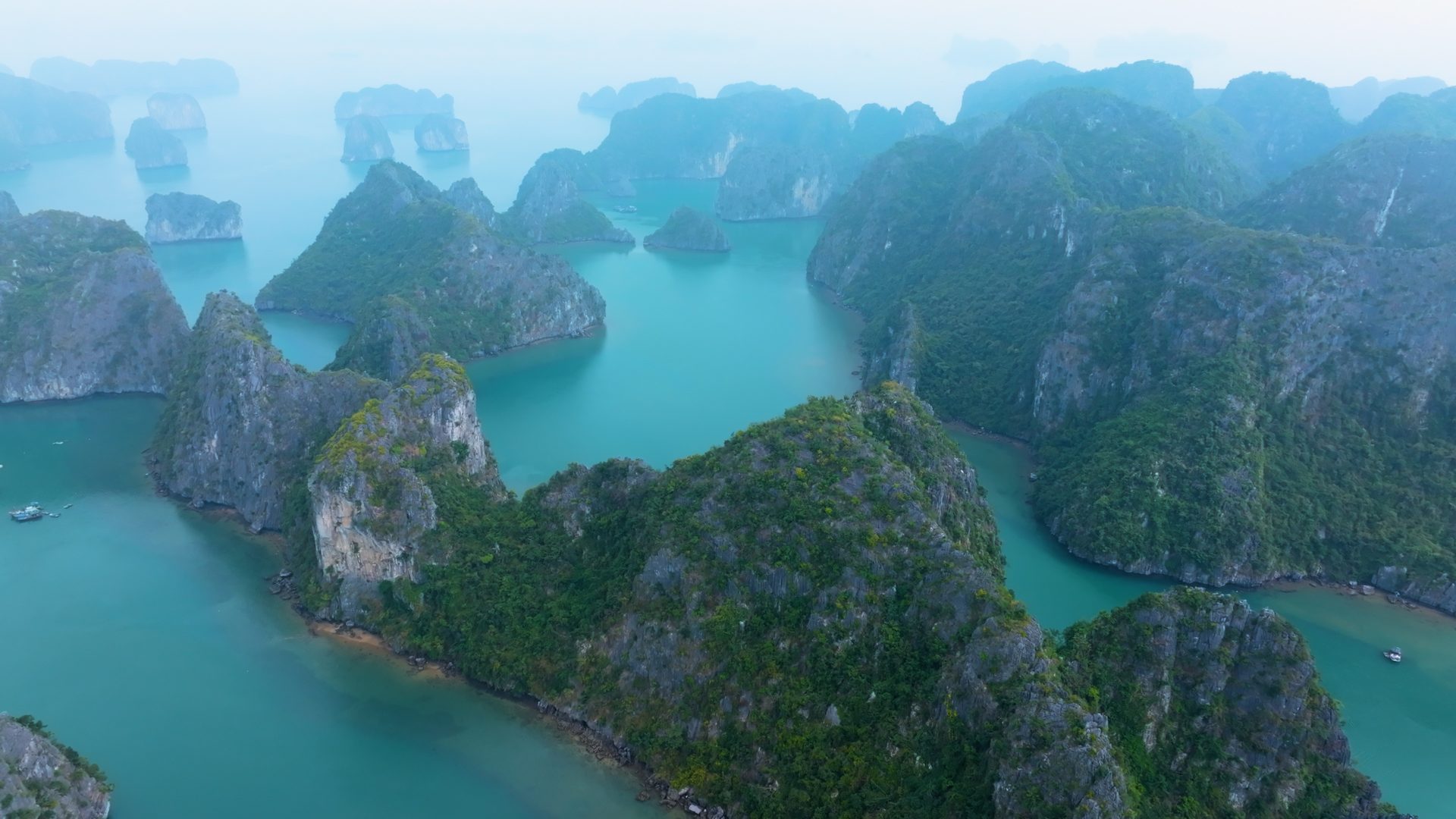
Aerial view of Ha Long Bay: forested limestone towers in haze, turquoise channels running between them.

The Long Threshold

The lagoons of Hue — an FAO project

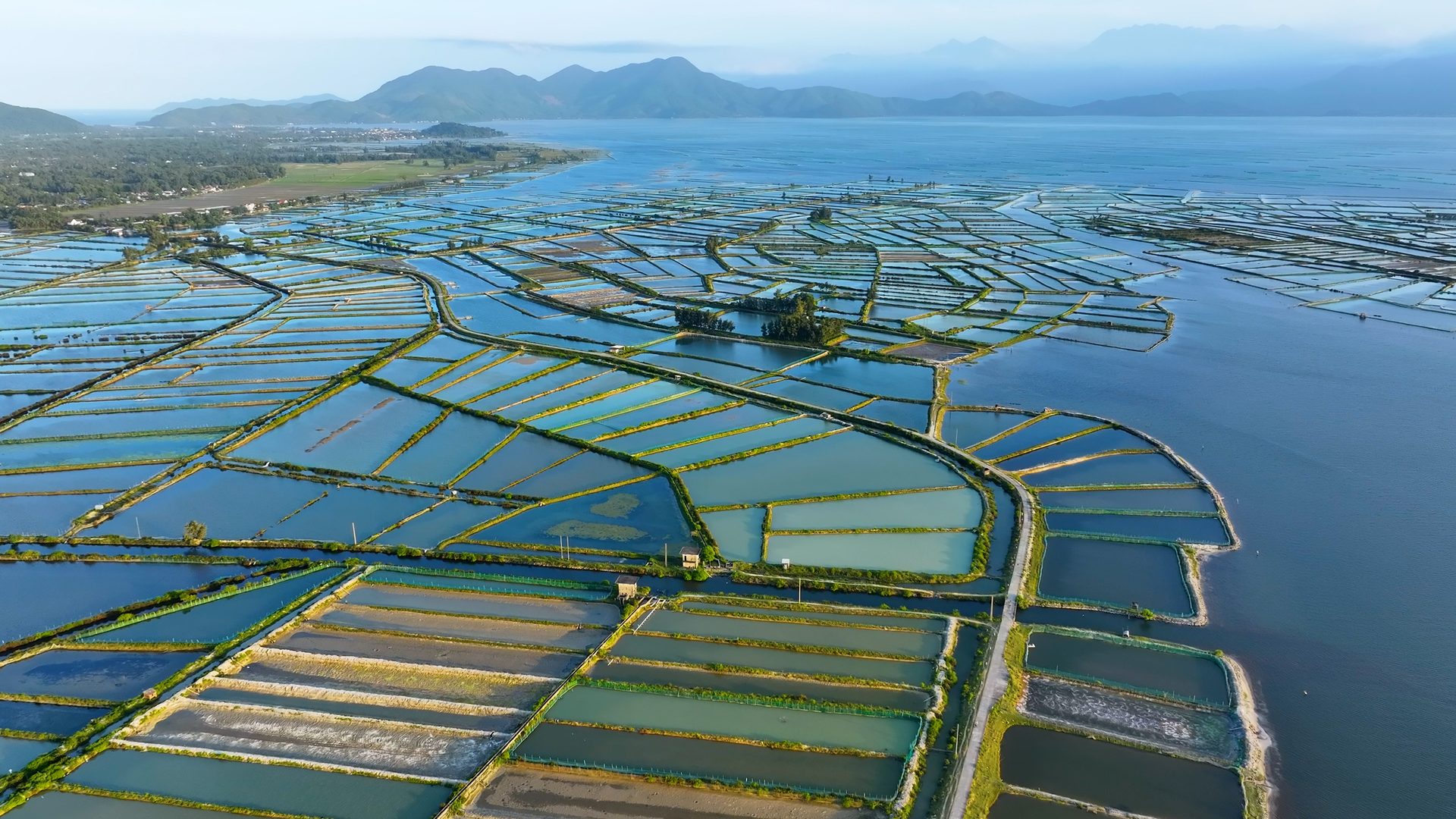
A lagoon lies behind a barrier beach — still and interior on one side, open sea on the other. The film works along that line: fish cages and stake traps, rice and lotus on the ground the water leaves, tombs on former shorelines, the dunes, then the surf. The barrier is structural defence, not scenic margin, and it moves.

Watch
Aerial view of the Hue lagoon: rectangular ponds and embankments meeting open water, mountains beyond.

The Great Reversal

The flood-pulse of the Tonle Sap

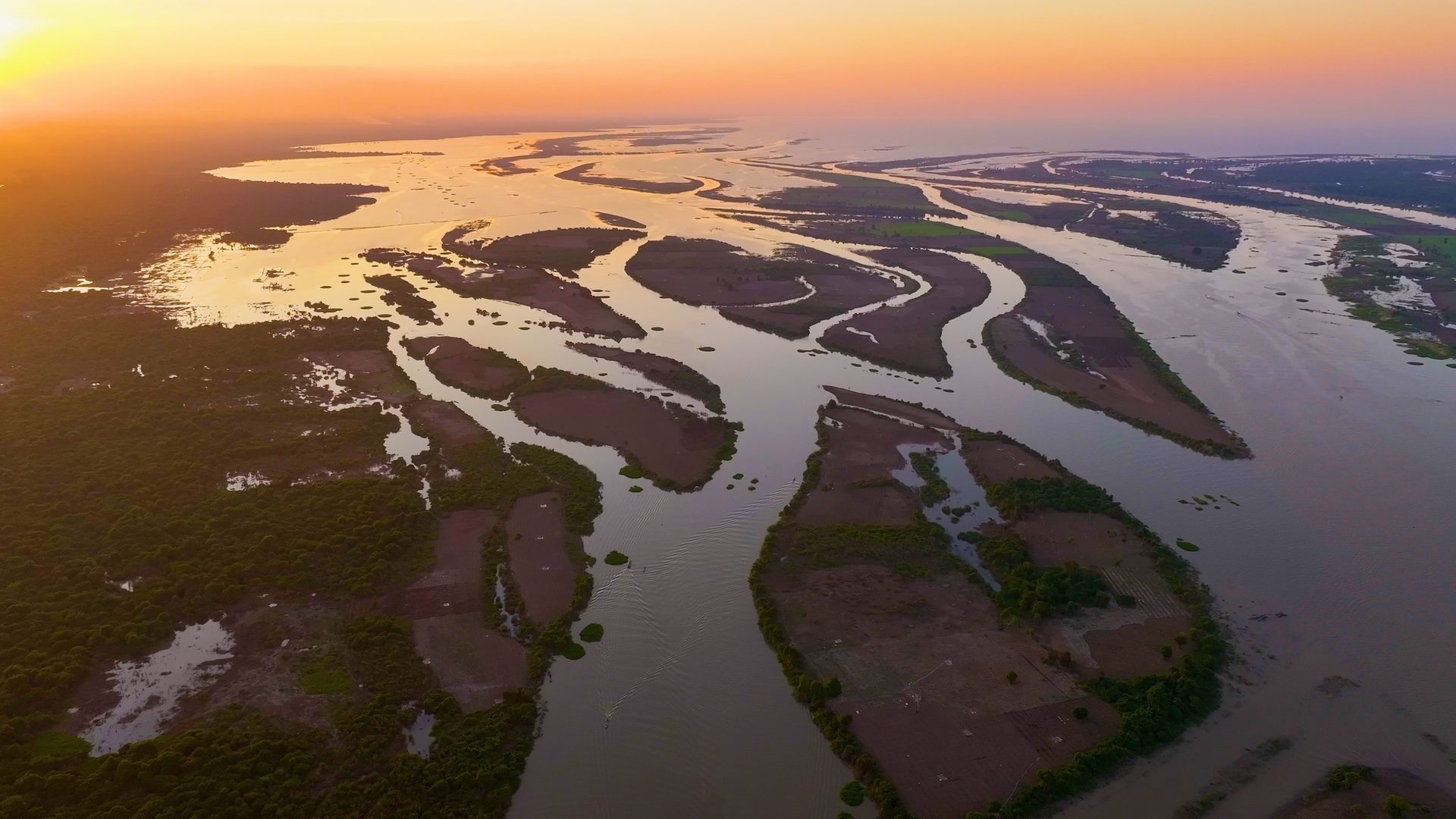
Once a year a river turns and a lake grows several times its size. Everything around it is arranged by that reversal: the flooded forest that raises the fish, the silt that sets the rice, the villages that follow the water line, the Khmer hydraulic works that read the pulse centuries ago.

Watch
Aerial view of the Tonle Sap at sunset: braided channels and low islands under an orange sky.

In preparation

The Mekong

Two chapters, filming this coming winter. They take the same river at two ends and are being made as separate essays rather than one journey downstream.

4000 Islands on the Mekong

Above the Cambodian border the river spreads across thousands of islands and falls — the reach where the Mekong is at its widest and least like a river.

The Mekong Delta

At the other end, what the river becomes when it arrives: the ground it built, and the sediment that reaches it or no longer does.

Neither has a title yet. A title names a behaviour, and the behaviour has to be seen first.

Also here

Karst Lakes of Ha Long — an environmental research project. Related to the chapters, and separate from them.

Books — the first volume, on the Hue lagoon and the FAO project, is in preparation.