About
What the series is, and who makes it
The series
Asian Waters studies water as a primary organizing force of life, culture, economy and time in Southeast Asia — specifically in amphibious systems, where land and water are structurally interdependent.
Each chapter is an independent essay on one water system and the human adaptations around it. What holds them together is not geography but a single principle: hydraulic reality, intervention, and long-term adaptation over time. Depth rather than coverage. There is no ambition to survey the region.
The method is consistent across the chapters. Geography precedes interpretation and observation precedes explanation. The films begin with questions rather than conclusions and leave one open at the end. Narration carries only what the images cannot; scientific content serves the understanding of a place rather than becoming the subject. There is no advocacy, no preservation rhetoric, and no rescue narrative. The sound is natural sound — no music in any chapter.
The work is self-funded and independent. Institutions are named where their support was real, and not otherwise.
The authors
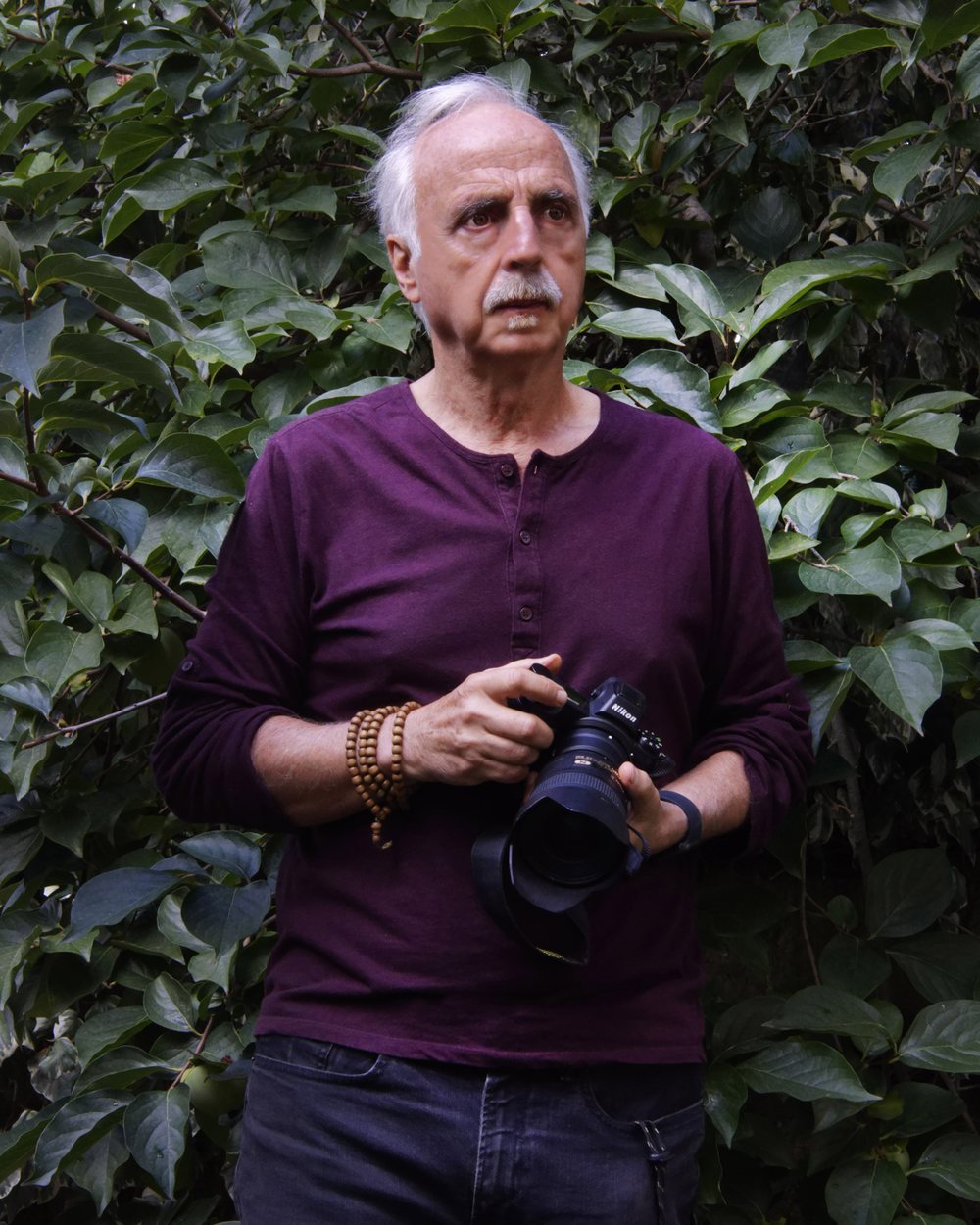
Andrea Pistolesi
Photography, direction, edit
Andrea Pistolesi is a documentary photographer and filmmaker whose work focuses on people, culture, and the relationship between human communities and their environments. Developed through long-term research, his projects combine documentary rigor with a strong authorial visual approach.
Born in Florence, he studied geography before beginning his professional career in photography in 1981. Over more than four decades he has developed documentary projects across Europe, the United States, Latin America, Asia, Africa and Oceania. His work has been published internationally by major magazines and cultural institutions, including National Geographic, Time, Smithsonian Magazine, The New York Times and Geo. He is the sole author of around one hundred photographic books.
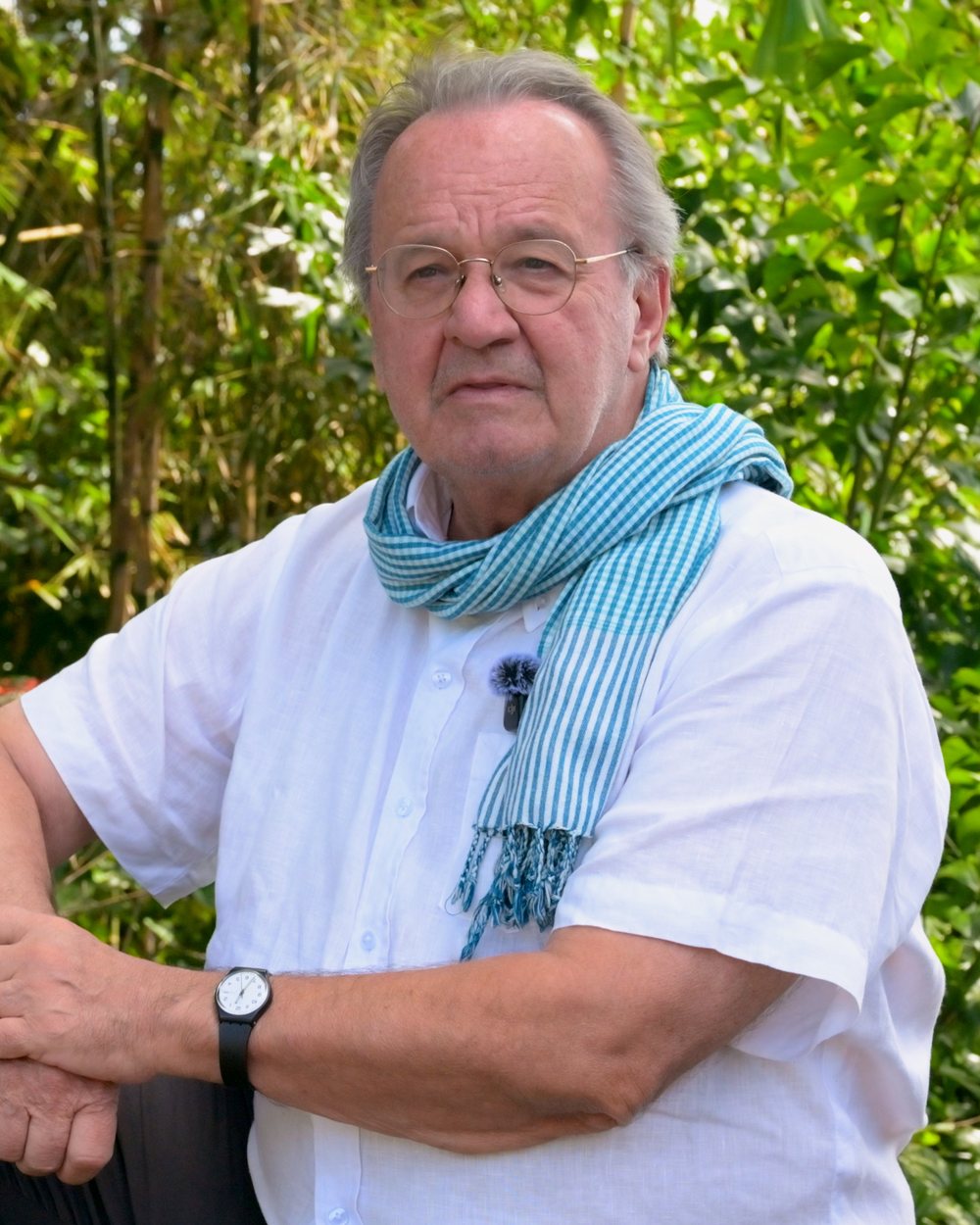
Massimo Sarti
Scientific author
Massimo Sarti is the scientific author of the series. He led the FAO project on the Tam Giang–Cau Hai lagoon at Hue from 2005 to 2012, and the geological reading behind the Ha Long chapter is his — how the limestone was carved, and when the marine lakes were sealed off from the open sea.
A marine geologist, he was full professor at the Università Politecnica delle Marche from 1994 to 2019, and before that associate professor at the University of Calabria from 1987 to 1994. He has worked for UNESCO on World Heritage sites in Myanmar and in Cambodia. His research reads sedimentary environments through the processes that form them and the changes that move them, and more recently through the people living in them — how they manage the resources, hold out against the hazards, and feed themselves. He has worked in the Mediterranean and the mountains around it, in Asia, in the Atlantic and Indian Oceans, and in Antarctica.
He appears on camera in two of the films: in English at Hue, in Italian with subtitles at Ha Long.
Contact
For screenings, editorial use, institutional collaboration or the archive:
info@pistolesiphoto.com